


Minimalism is a design philosophy that focuses on simplicity, functionality, and the reduction of unnecessary elements. In interior design, minimalism is about creating spaces that are clean, clutter-free, and calm, while still being practical and stylish. This approach has gained significant popularity in recent years, as people strive to live in spaces that promote relaxation, productivity, and peace of mind.
Key Principles of Minimalist Interior Design
- Simplicity: Every design choice is intentional and purposeful. The goal is to eliminate anything that isn’t necessary for the space to function properly. Minimalist interiors typically feature neutral color palettes, clean lines, and minimal decorative items.
- Functionality: In minimalist design, furniture and décor should serve a specific purpose. Multi-functional furniture, like a sofa that doubles as a bed or a dining table with built-in storage, is a popular choice in minimalist spaces.
- Open Space: Minimalism often focuses on open floor plans with few walls, helping to create a feeling of expansiveness and freedom. Large windows that allow natural light to flood the room are a common feature, further emphasizing the airy, spacious atmosphere.
- Quality over Quantity: Instead of filling a room with numerous items, minimalist design favors fewer, high-quality pieces that have lasting appeal. This could be a well-crafted chair, a beautiful piece of art, or a high-end lighting fixture.
- Neutral Color Schemes: The use of muted tones such as whites, grays, and earth tones helps to create a calming environment. These neutral colors also allow the few accent pieces in the space to stand out without overwhelming the senses.
- Decluttered Spaces: One of the most important aspects of minimalism is maintaining a clutter-free environment. Everything in the room should have a designated place, and the visual clutter is kept to a minimum.
Visual Appeal of Minimalist Interior Designs
Minimalist interior design often embraces the beauty of simplicity. The use of clean lines, geometric shapes, and natural materials creates a sense of balance and harmony. Furniture is often low-profile, and there is a focus on functionality that does not sacrifice style.
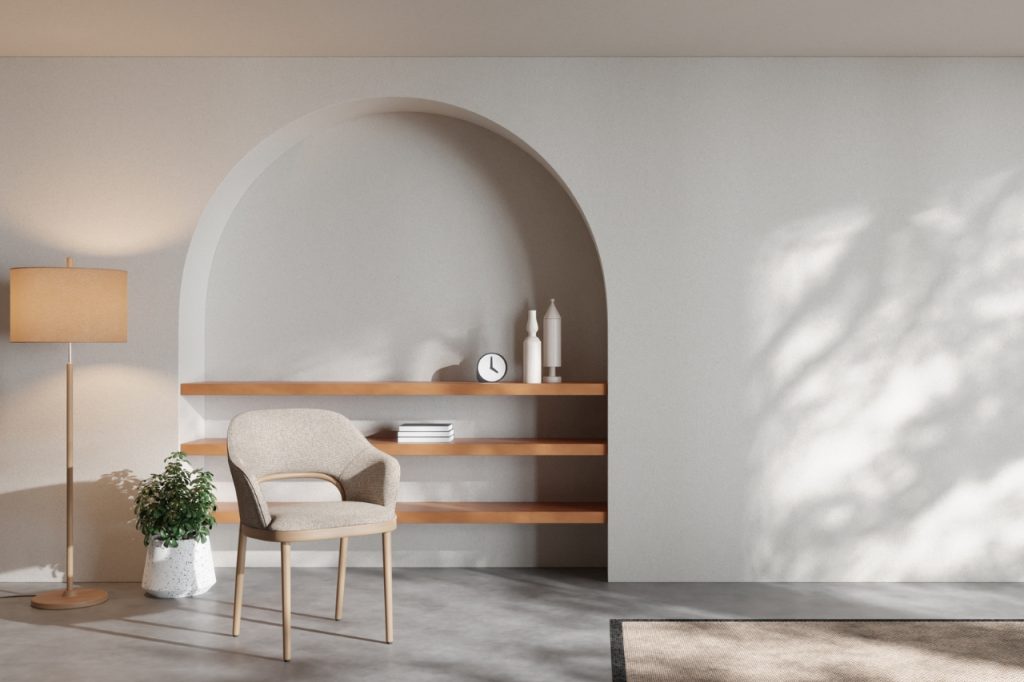
Here’s a visual example of a minimalist living room:
The space is clean, functional, and elegantly simple. The neutral colors and lack of excessive décor create a sense of calm and openness, while the carefully chosen furniture pieces add sophistication.
Conclusion
Minimalism in interior design is not just about the absence of excess; it is about creating a balanced environment where simplicity and function work together. In 2025, this approach continues to be a timeless trend, as it aligns with the growing desire for a lifestyle that values quality over quantity. Whether in a small apartment or a larger home, minimalist interior design encourages a sense of peace, clarity, and purpose in the spaces we inhabit.
By embracing minimalist principles, you can transform your living environment into a tranquil retreat that promotes both form and function.


